Murfreesboro Men, Feel Better with Testosterone Therapy

Treat the root cause of your fatigue with Murfreesboro Men’s Hormone Optimization & TRT Clinic. No guessing. No "bro-science." Just results.

What Is Testosterone Replacement Therapy?

Testosterone is more than just a “muscle hormone.” It is the primary biological driver that powers every system in the male body—from your cognitive processing speed and emotional resilience to your metabolic rate and cardiovascular health. It is the chemical foundation of your drive, your focus, and your physical presence.

However, biology has a built-in expiration date. Starting as early as your 30s, most men experience a steady decline in testosterone production, typically dropping by 1% to 2% every year. This isn’t just a “natural part of aging”; it is a progressive loss of the very data points that keep you firing on all cylinders.

Symptoms of Low Testosterone

Low testosterone doesn’t usually hit all at once.
It’s gradual. Subtle. Easy to dismiss.

Most men don’t feel “sick.”
They just don’t feel like themselves.

Common signs include:

Some men notice physical changes first.
Others notice mental or emotional shifts.

Many notice both.

The challenge is that these symptoms are often blamed on:

Sometimes that’s true.

But sometimes it’s hormonal.

The only way to know is to check your numbers.

However, biology has a built-in expiration date. Starting as early as your 30s, most men experience a steady decline in testosterone production, typically dropping by 1% to 2% every year. This isn’t just a “natural part of aging”; it is a progressive loss of the very data points that keep you firing on all cylinders.

Think You Have Low Testosterone?

Your Not Alone!

Low testosterone, also known as hypogonadism or “low T,” is a prevalent issue that impacts millions of men.

39%

of men age 45 and older were found to have low total testosterone (<300 ng/dL) in a large U.S. study.
(source)

1%

per year is the average decline in total testosterone after age 30, according to longitudinal research tracking men over time.
(source)

52%

of men between ages 40–70 report some degree of erectile dysfunction, often linked to vascular and hormonal factors.
(source)

Here are some Causes of Low Testosterone

Low testosterone doesn’t happen randomly.

It’s usually the result of aging, stress, metabolic factors, or underlying health conditions. In many cases, it’s a combination of several contributors.

-Natural Aging

Testosterone levels naturally decline about 1% per year after age 30.

For some men, that decline is mild.
For others, it’s significant enough to cause symptoms.

Aging alone doesn’t mean you need treatment — but it does increase risk.

-Chronic Stress & Elevated Cortisol

Long-term stress raises cortisol levels.

Cortisol and testosterone compete in the body.
When stress stays high, testosterone production often falls.

High-pressure careers, poor sleep, and constant mental load can contribute more than most men realize.

-Poor Sleep

Testosterone is primarily produced during deep sleep.

Chronic sleep deprivation or untreated sleep apnea can significantly suppress natural production.

Men who snore heavily or wake up unrefreshed may have hormonal suppression tied to sleep quality.

-Excess Body Fat & Insulin Resistance

Higher body fat — especially around the midsection — is strongly associated with lower testosterone.

Fat tissue converts testosterone into estrogen.
Metabolic dysfunction can further impair hormone signaling. This creates a cycle:

Low T → more fat gain → even lower T.

-Medications

Certain medications may lower testosterone levels, including: Opioids, Long-term steroid use, Some antidepressants, & Certain blood pressure medications

If you’re on long-term medication, it may be worth evaluating hormone impact.

-Chronic Medical Conditions

Conditions such as: Type 2 diabetes, Metabolic syndrome, Obesity, Pituitary disorders, & Testicular injury or dysfunction can all interfere with hormone production.

-Overtraining or Extreme Dieting

Severe caloric restriction, extreme endurance training, or aggressive cutting phases can temporarily suppress testosterone.

The body shifts into conservation mode under high stress.

-The Important Part

Low testosterone is rarely about “weakness” or “laziness.”

It’s usually biological.

The only way to know what’s happening is to test.

That’s why we start with consultation and lab work — not assumptions.
Benefits of Testosterone Optimization

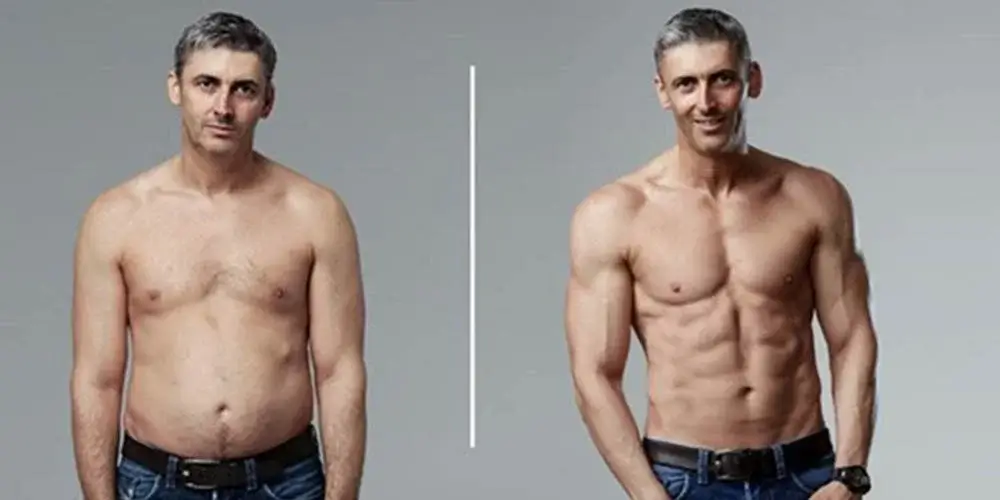
When we move you from “Average” to Optimal, the biological shift is undeniable. Men who close their performance gap frequently report:

Testosterone is the primary fuel for the male reproductive system, acting directly on androgen receptors in the brain to modulate desire and on the vascular system to support blood flow. When levels are low, the signaling between the brain and the body breaks down, leading to the “meh” factor in the bedroom. Restoration ensures these pathways are fully reactive, providing the biological “green light” necessary for consistent performance and desire.

Reference: Testosterone Therapy and Sexual Function in MenThe Journal of Sexual Medicine

The “3:00 PM wall” is often the result of declining red blood cell production and mitochondrial inefficiency. Testosterone plays a critical role in erythropoiesis—the production of red blood cells—which carry oxygen to your muscles and brain. By optimizing your number, you increase your body’s oxygen-carrying capacity, effectively upgrading your internal battery and allowing you to finish the day with the same intensity you started with.

Reference: Testosterone Administration Induces a Dose-Dependent Increase in Hemoglobin and HematocritThe Journal of Clinical Endocrinology & Metabolism (JCEM)

Testosterone is a powerful anabolic agent that stimulates muscle protein synthesis and increases the number of satellite cells, which are the “building blocks” of muscle repair. Without adequate levels, your body remains in a catabolic state, breaking down muscle faster than it can build it. Optimization puts you back into an anabolic state, ensuring that the work you put in at the gym actually yields the muscle density and strength you deserve.

Reference: The Effects of Supraphysiologic Doses of Testosterone on Muscle Size and Strength in Normal MenThe New England Journal of Medicine (NEJM)

Brain fog isn’t just a result of lack of sleep; it’s a neurochemical imbalance. Testosterone is neuroprotective and plays a vital role in cognitive functions like spatial memory and verbal fluency. By stabilizing your levels, you effectively “clear the fog,” allowing for the decisive, high-stakes thinking required in the boardroom. This mental sharpness is the foundation of the masculine confidence that many men feel they’ve lost over time.

Reference: Effect of Testosterone Treatment on Cognitive Function in Older MenThe Journal of the American Medical Association (JAMA)

Low testosterone is frequently misdiagnosed as clinical depression or “burnout” because both share symptoms of irritability and social withdrawal. Testosterone modulates the amygdala and influences serotonin levels in the brain, helping you manage stress and maintain a grounded emotional baseline. Optimization helps remove the “short fuse” and replaces it with the calm, steady resilience that defines a high-performing man.

Reference: Antidepressant Effects of Testosterone Replacement TherapyBiological Psychiatry

Visceral fat (the “dad bod”) acts as its own endocrine organ, producing an enzyme called aromatase that actually converts your remaining testosterone into estrogen. This creates a vicious cycle of weight gain and further hormonal decline. Testosterone therapy increases insulin sensitivity and stimulates lipolysis (fat burning), helping you break the cycle and shed the stubborn midsection weight that diet alone can’t seem to touch.

Reference: Testosterone and Weight Loss in Men with Testosterone DeficiencyObesity Reviews

How the Process Works

We don’t guess.
We follow a clear, step-by-step medical process. No shortcuts. No guesswork.
Just data-driven decisions.

Free Consultation

It starts with a 30-minute conversation.We review: Your symptoms, Your health history, Your goals, & Whether TRT is even appropriate to consider.
No labs. No needles. No pressure.
If you’re not a good candidate, we’ll tell you.
Direction Arrows
Step 1

Performance Audit (Comprehensive Labs)

This step is a detailed blood panel.This gives us real data on: • Total and free testosterone • Estradiol • Hematocrit • Lipid profile • Cortisol • PSA • Other key health markers
This step ensures we’re not treating blindly — and that your heart and prostate safety are evaluated before anything begins.
Direction Arrows
Step 2

Lab Review & Medical Decision

Once your results are in, we sit down and review them together.We explain: • Where your levels fall • What’s clinically normal vs. optimal • Whether treatment is appropriate • What your options look likeIf your levels are healthy, we don’t treat. If they’re low and you choose to move forward, we build your plan.
Direction Arrows
Step 3

Start TRT (If Appropriate)

If you qualify and decide to proceed, we begin with a stability-focused protocol.You’ll receive: • Structured dosing guidance • Ongoing monitoring • Clear safety “red lines” • Follow-up labs every six monthsThis isn’t a subscription box. It’s physician-led care with accountability.
Step 4

Is Testosterone Replacement Therapy Safe?

Short answer: Testosterone Replacement Therapy can be safe — when it’s done correctly and monitored properly.

The risk isn’t testosterone itself.

The risk is poor screening, poor dosing, and poor monitoring.

That’s where many online clinics cut corners.

…But What Are the Real Risks?

Testosterone therapy can:

• Increase red blood cell production (hematocrit)
• Affect cholesterol levels
• Influence blood pressure
• Impact prostate markers (PSA)
• Suppress natural testosterone production
• Reduce fertility

These are not reasons to avoid treatment —
they are reasons to monitor treatment properly.

Here is how we approach  it safely…

At our Murfreesboro clinic, safety is structured — not optional.

We follow clear medical “red lines.”

• If hematocrit exceeds safe thresholds, therapy pauses.
• If PSA rises outside acceptable range, referral is made.
• If labs do not support treatment, we don’t treat.

No shortcuts.
No blind prescribing.
No mail-order guessing.

Monitoring Matters.

Safe TRT includes:

• Comprehensive labs before treatment
• Ongoing lab testing every six months
• Stability-focused dosing protocols
• Direct access to a local medical team

Test first.
Treat only if appropriate.
Monitor continuously.

That’s how testosterone therapy remains safe and effective.

Who Should Not Start TRT?

TRT may not be appropriate for men with:

• Untreated severe sleep apnea
• Uncontrolled cardiovascular conditions
• Certain prostate conditions
• Desire for near-term fertility (unless managed properly)

This is why consultation and lab work come first.

The Bottom Line

Testosterone therapy isn’t a supplement.
It’s medical treatment.

When managed by a physician-led clinic with structured monitoring, it can be both safe and effective for properly selected candidates.

If you’re wondering whether TRT is right for you, the first step is simple- Book a Free Consultation!

No pressure. Just answers.

Don’t just feel better. Start feeling better than ever.

Are You Finally Ready to Restore Your Youth?

If you are ready, we don’t guess. We audit. Let’s find your ‘Invisible Number’ and build the blueprint to get you back to peak.

You've Got Questions About TRT, We've Got Answers.

Will TRT increase my risk of Prostate Cancer?

Current medical evidence does not support a link between TRT and the development of new prostate cancer. Research suggests that testosterone levels promote prostate cancer growth only up to a “saturation point,” after which additional testosterone does not further increase growth. However, because many prostate cancers are sensitive to testosterone, we monitor your PSA (Prostate Specific Antigen) levels during every maintenance lab cycle to ensure long-term safety.

 
How soon will I notice a change in my Sexual Health?

Libido (sex drive) and sexual thoughts are often the first things to improve, typically within 3 to 6 weeks. While morning erections and overall erectile function can show early signs of improvement within a month, full restoration of erectile strength and satisfaction often continues to improve over 6 to 12 months.

 
When will my Energy and Mental Focus return?

Most men report a “get-up-and-go” boost in energy and a reduction in brain fog within the first 3 to 6 weeks of treatment. By the third month, many patients experience significant emotional stability, reduced feelings of fatigue, and better mental clarity for daily activities.

Reference: Testosterone Replacement Therapy Improves Mood and WellnessThe Journal of Clinical Endocrinology & Metabolism (JCEM)
How does TRT affect my Fertility?

Testosterone therapy acts as a natural contraceptive by signaling the body to slow down its own hormone and sperm production. This is why we offer The Legacy TRT Plan, which utilizes HCG to help maintain natural testicular signaling and protect fertility for men actively trying to conceive or keep their options open.

Reference: Management of Fertility in Men on Testosterone Replacement TherapyCUAJ

Is TRT safe for my Heart?

Short and medium-term use of TRT has not been shown to increase the risk of heart disease. In fact, optimization can lead to improved cardiovascular health by reducing body fat, normalizing blood glucose, and increasing coronary blood flow. One landmark study found that men treated for low-T actually had a 33% lower risk of heart attack and stroke compared to untreated men.

Reference: Cardiovascular Safety of Testosterone-Replacement Therapy (The TRAVERSE Trial)The New England Journal of Medicine (NEJM)
Why do I have to monitor my Hematocrit (Blood Thickness)?

Testosterone naturally stimulates red blood cell production. While this can improve oxygen transport and energy, it can also cause the blood to become too thick if left unmonitored. We maintain a strict “Red Line” policy at 54% Hematocrit and use regular labs to ensure your blood stays at a healthy, safe consistency. If you cross the line, a simple blood donation is usually all that is needed to stay optimal.

Reference: Polycythemia in Men on Testosterone Replacement TherapyThe Journal of Sexual Medicine
Will I lose my hair or get acne on TRT?

Hair loss on TRT is primarily driven by genetics; if you are predisposed to male pattern baldness, an increase in testosterone can accelerate the process by converting to DHT. Acne or oily skin can occur early in treatment as your body adjusts to new hormone levels. Both side effects can often be managed by adjusting your protocol or using adjunctive therapies.

Reference: Side Effects of Testosterone Replacement TherapyTherapeutic Advances in Urology
Can TRT help me lose weight and build muscle?

TRT is a powerful tool for body composition, but it is not magic. It works by increasing protein synthesis and metabolism, making it easier to build lean muscle and burn visceral fat when combined with strength training and proper nutrition. Most members see measurable increases in muscle mass and strength within 3 to 6 months.

Reference: Testosterone and Weight Loss in Men with Testosterone DeficiencyObesity Reviews

Is TRT a lifelong commitment?

TRT is typically a long-term treatment. Because TRT treats the symptoms of a hormone deficiency, stopping the therapy will cause your testosterone levels to return to their baseline, and your symptoms will likely return. We focus on building a sustainable roadmap that keeps you optimal for the long haul.

Reference: Endocrine Society Clinical Practice Guidelines for Testosterone TherapyJCEM

Why is TRT better than over-the-counter “Testosterone Boosters”?

Natural “boosters” are often unregulated supplements with limited scientific proof that they reliably raise testosterone levels. TRT is a controlled medical intervention using actual hormones that are precisely dosed and monitored by a healthcare provider to ensure you actually reach and maintain optimal levels.

Reference: The Efficacy and Safety of Testosterone ‘Boosters’ Found in Online MarketplaceJournal of Clinical Medicine

Do you accept my insurance?

We don’t bill insurance directly, but most treatments can be paid for using HSA or FSA funds.

Lindsay Keith, MD is a Murfreesboro practice specializing in breast surgical oncology, medical aesthetics, and men’s health. Led by a board-certified surgeon, the practice delivers compassionate, personalized care with a focus on clinical excellence and patient-centered treatment.

The information provided on this website is for general educational purposes only and is not intended to act as a substitute for professional medical advice, diagnosis, or treatment. While we specialize in addressing the 12.7% testosterone decline per decade, all content—including text, graphics, and medical data—is not intended to replace a formal evaluation with a qualified healthcare professional. We do not provide medical advice through this website and are not responsible for any reliance placed on its general information.

Many therapies provided at our clinic are offered by licensed medical professionals acting in their independent clinical discretion. Certain optimization protocols may be characterized as novel or experimental, and their safety and efficacy may not be fully established by conventional FDA-approved means for all uses. While we focus on a physician-led approach to target the nearly 40% of men over 45 who suffer from hormonal deficiency, we make no guarantees regarding specific outcomes or the suitability of therapies for your unique physiological needs.

Testimonials on this site reflect the real-life experiences of individual clients and are not necessarily representative of all patient outcomes. Because results do vary, not all clients will experience the same level of improvement in Mind, Body, and Drive. Some services may be unsuccessful or contraindicated for certain individuals. Testimonials are not intended to claim that our services diagnose, treat, or cure any specific disease. All medical services are provided by an independent medical practice led by a board-certified surgeon.

Pricing for the Performance Audit and subsequent optimization plans are subject to change without notice. Terms and restrictions apply.